


PayID Instant Gambling Transfer AUD Keeps the Game Moving

There’s nothing more frustrating than lining up at a pokies machine or settling into an online table, only to watch the balance sit stubborn while a bank transfer drags through the mud. Aussie punters want speed, and when a round’s heating up, waiting on a clearance feels like watching a kettle boil in a drought. That’s where real-time payment rails have stepped in, turning what used to be a next-day chore into a matter of seconds. The shift toward instant settlement has rippled through the local iGaming sector, and it’s fundamentally changed how players move their money between accounts and casino wallets.
The conversation around fast digital payouts isn’t just about convenience; it’s about keeping the momentum alive when the action’s on. When funds clear in a blink, the whole experience feels tighter, more responsive, and far less likely to lose a punter to a browser tab they forgot to close. We sat down with a few industry voices to unpack how these payment streams are reshaping the local scene, and what it means for players who just want to get on with it without the usual banking bottlenecks.
How Instant Rails Changed the Local Scene
The Australian payments landscape has always had a bit of a wild streak, from the early days of direct bank transfers to the rollout of the New Payments Platform that finally gave the system a proper kick in the arse. PayID slots into that evolution as a straightforward identifier, usually a mobile number or email, that routes funds straight through the NPP without the usual SWIFT-style detours. For iGaming operators, that means the friction between a player’s everyday bank account and a gaming wallet drops to nearly nothing, and the whole transaction feels as quick as tapping a contactless reader at a servo.
What’s caught the eye of local operators is how cleanly the system handles domestic flows in Australian dollars, stripping out the currency conversion headaches that used to chew into smaller deposits. The rails were built for retail banking, but the gaming sector has been quick to adapt them for real-time wallet top-ups, and the result is a smoother handoff that keeps players in the loop. As the market matures, the expectation has shifted from “will it clear by Tuesday?” to “why isn’t it already there?”.
Oliver Hill, Independent iGaming Expert, Wattle Gaming Partners, points out that the speed of settlement has quietly become a retention tool rather than just a convenience feature. Hill notes that when a player can move funds without watching a pending status linger, the whole session feels less interrupted and more like a continuous run of play. That subtle shift in pacing has pushed a few operators to treat instant rails as a baseline expectation rather than a premium add-on.
For operators, this means the payment infrastructure is now as critical as the game selection itself. Companies such as SkyCity Entertainment Group understand that seamless financial flows contribute directly to player loyalty. Ultimately, a frictionless wallet experience keeps the focus on the gameplay rather than the banking process.
The Mechanics Behind the Blink
Under the hood, the flow is fairly straightforward once you strip away the banking jargon. A player enters their PayID identifier, the operator’s system routes the request through the NPP infrastructure, and the funds land in the gaming account almost immediately, provided the sending bank is live on the network. The whole handshake happens in real time, which means there’s no overnight batch processing or manual review holding things up for standard domestic transfers.
For players, the practical upside is that they can move money without jumping through hoops or waiting on confirmation emails that arrive after the match has already finished. The identifier acts like a shortcut, bypassing the need to type out full account numbers and BSB codes every time a top-up is needed. That convenience matters when someone’s hopping between a laptop, a phone, and a quick break at work, because the fewer clicks between intent and action, the less chance the moment slips away.
The system also tends to play nicely with the local expectation of transparency, since the payer can usually see the recipient’s name before confirming the transfer. That little checkpoint helps keep things tidy and reduces the back-and-forth that used to plague older payment methods, especially when a player is juggling multiple accounts or testing a new platform for the first time.
Why Aussie Punters Warm to Speed
Local habits have always leaned toward convenience, and the gambling scene is no different. When a punt goes sour or a session runs hot, players want their funds to move as quickly as their mood shifts, not sit in a queue while a traditional transfer crawls through the system. Instant rails fit that mindset because they remove the waiting game and let people focus on the actual play rather than the plumbing behind it.
There’s also a cultural element at play, because Aussies tend to value straight-shooting simplicity over fiddly processes. A payment method that feels like a quick tap rather than a paperwork exercise lines up neatly with that preference, and it’s one reason why digital identifiers have gained traction across the local market. The less a player has to think about the transfer itself, the more the experience feels like a seamless extension of the gaming session.
Speed also helps with budgeting in a practical sense, because players can move only what they intend to use without leaving a large balance stranded in a pending state. That tighter control matters when someone’s treating gambling as a bit of weekend entertainment rather than a full-time occupation, and the ability to top up or withdraw on the fly keeps the whole setup feeling more manageable.
Compliance and the Local Rulebook
Speed doesn’t mean the regulator has stepped out of the room, and the local framework still demands that operators keep a sharp eye on identity checks, source-of-funds questions, and responsible gambling controls. The Australian Communications and Media Authority and state-based licensing bodies have made it clear that faster payments don’t excuse sloppy verification, so operators have had to build their compliance layers around the same real-time expectations they promise to players.
That balance is where the tricky bit lives, because instant settlement can’t be paired with a lax approach to age checks or anti-money-laundering screening. The best setups run those checks in the background without slowing the transfer to a crawl, which means the player sees a quick handover while the operator still keeps the required records and monitoring in place. It’s a bit of a juggling act, but the market has largely settled on the idea that compliance and speed can share the same table if the tech is built properly.
For players, the practical takeaway is that a fast transfer doesn’t mean a free pass, and the operators that thrive are the ones that make the checks feel routine rather than obstructive. When the process is smooth and the rules are clear, the whole experience tends to feel less like a hurdle and more like a standard part of playing responsibly.
How Operators Are Stacking Up
The competitive picture has shifted as more platforms treat instant rails as a standard feature rather than a niche perk, and the operators that move quickest on usability tend to stand out. Joe Fortune has positioned itself as one of the leaders of the Australian market in that race, building a setup that leans into straightforward deposits and a clean user flow that doesn’t make players wrestle with clunky menus. That kind of polish matters when the goal is to keep the action moving without turning a simple top-up into a half-hour ordeal.
The broader field has followed suit in different ways, with some platforms emphasizing mobile-first flows while others focus on loyalty rewards or game variety, but the common thread is that payment friction is no longer something punters are willing to tolerate. When a site makes the transfer feel effortless, it quietly signals that the rest of the experience is probably worth a look, and that first impression can be the difference between a quick test spin and a long session.
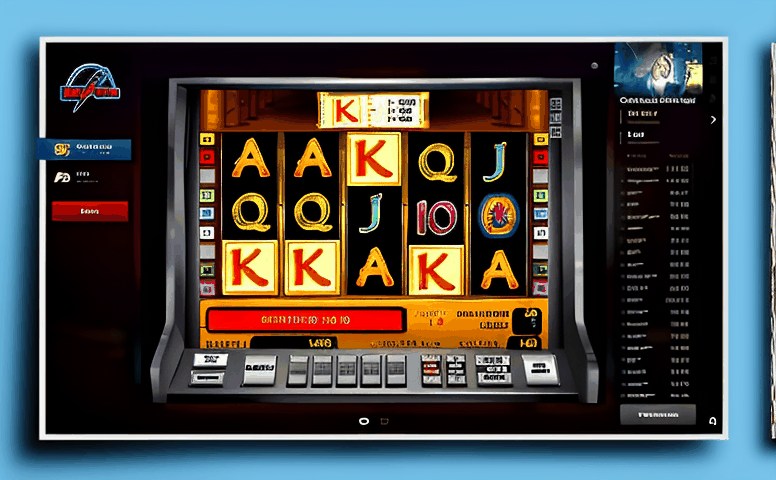
For anyone comparing options, the practical stuff usually comes down to how quickly the funds appear, how clearly the interface explains the steps, and whether the platform handles the local dollar without tacking on unnecessary conversion noise. A site for book of dead casino is a good example of how a focused setup can make the whole flow feel less like a chore and more like a natural part of the visit, which is exactly the kind of smoothness that keeps players coming back.
Skycity Entertainment Group has also been a familiar name in the broader Australian entertainment landscape, and its presence in the market shows how traditional operators and digital platforms are both feeling the pressure to keep payment flows tight. The neighbour to that shift is a broader expectation that any credible operator alaabouasaf.online should treat instant settlement as part of the baseline, not a flashy extra that only shows up during a promo period.
What to Watch Before You Tap Send
Even with a slick payment rail, a bit of common sense goes a long way, because speed can make it tempting to move money without a second thought. The smartest players treat instant transfers the same way they treat any other transaction: check the recipient, keep an eye on the limits, and make sure the amount matches the session they actually want to have. That habit keeps the convenience from turning into a sloppy spending pattern.
It’s also worth keeping an eye on the operator’s withdrawal side, because a fast deposit doesn’t automatically guarantee the same pace on the way out. Some platforms handle both directions smoothly, while others still keep payouts on a slightly different track, so it pays to know the full loop before you commit to a site. The goal is to avoid surprises, not to chase the fastest possible button on the screen.
A quick look at the terms, the supported identifiers, and the local licensing details can save a lot of head-scratching later, especially if someone’s trying a new platform for the first time. When the setup is clear and the payment flow feels honest, the whole experience tends to stay on the right side of enjoyable, which is really the point of using a fast transfer in the first place.
The Road Ahead for Instant Settlement
The next phase for instant rails in the local iGaming space looks less about raw speed and more about how neatly the payment flow blends into the rest of the player journey. As operators tighten their mobile interfaces and streamline account setup, the transfer itself is becoming just one part of a broader push toward a cleaner, less cluttered experience. That direction suits the local market, because Aussie punters have always preferred tools that get out of the way and let the action do the talking.site for book of dead casino
There’s also room for tighter integration with responsible gambling tools, so players can set limits and move funds without the process feeling like a bureaucratic maze. If the tech keeps maturing in that direction, the whole setup could feel even more natural, with the payment step fading into the background instead of sitting front and centre like a hurdle. That’s the kind of evolution that keeps the experience lively without making it harder to play sensibly.
For now, the practical win is that players can move their money in Australian dollars with a level of speed that would have felt out of reach a few years ago, and the operators that keep refining that flow are the ones likely to hold attention. When the transfer is quick, the rules are clear, and the interface doesn’t fight you, the whole session feels like it belongs to the player rather than the plumbing behind it.
What's Your Reaction?